

When Defective Farm Equipment or Machinery Leads to Fatal Accidents
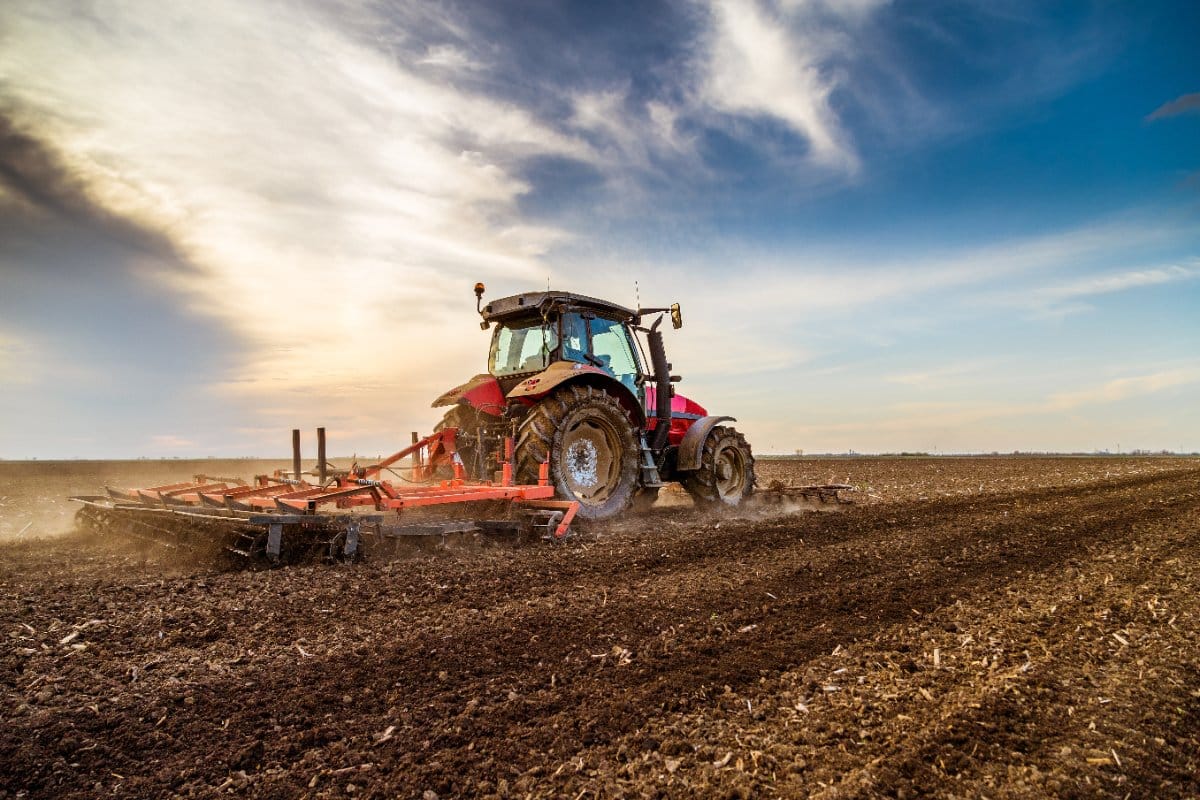 Farmers in Oklahoma rely upon complex machinery and equipment to care for their land and their livestock. They trust that these machines will function as expected, saving them money and time. Sadly, when these machines do not operate in the way they are intended, the results can be fatal, and bereaved family members are often left dealing with the aftermath.
If you have lost someone you love, you likely have many questions. You may not know how to move forward, or how to pay the mounting funeral and burial costs, as well as any medical expenses your loved one incurred before succumbing to their injuries. An experienced wrongful death attorney can help. Below, we outline the common causes of fatal farm machinery and equipment accidents, and discuss how to determine if you have a legal case.
Types of farm equipment that cause fatal accidents
Defective farm equipment in Oklahoma that frequently causes fatalities includes grain augers, balers, combines, and tractors. Often, accidents are a result of missing safety guards, hydraulic failures, and faulty steering. When these machines malfunction, the resulting injuries are sometimes too great for a person to survive them. The most common types of farm equipment and machinery that cause fatal accidents are as follows:
- Tractors, which may have hydraulic issues, brake failures, and rollovers
- Pickers and combines, which often have jammed augers and defective cutting blades
- Balers, which may unexpectedly release material or have defective tying mechanisms
- Conveyors and augers, which may be subject to belt failures or have faulty or exposed flighting
- Brush hogs, which may be defective or faulty, resulting in debris being thrown
- Skid steer loaders, which can experience mechanical malfunctions and tip-overs
- ATVs and UTVs, which have a high center of gravity, can lead to rollovers
How does farm equipment cause fatal injuries?
Missing safety guards, mechanical failures, and design flaws in farm equipment are some of the leading causes of wrongful death in the agriculture industry.
Safety guards such as covers, cages, and shields are designed to prevent physical contact between farmers and workers and the equipment, particularly any parts that pinch, rotate, or move. A fatal accident can occur when these safety guards are missing. Power take-off (PTO) shafts rotate at very high speeds and can snag hair, clothing, or limbs. When these safety guards are defective or missing, the results are often tragic.
Mechanical failures involving farm equipment and machinery are also often responsible for tragic accidents. Malfunctioning steering systems or brakes on tractors can cause operators to lose control, resulting in a rollover, a pinning accident, or a fatal collision.
Faulty hydraulic systems can cause elevated equipment, such as headers, plows, and loader arms, to suddenly fall, crushing bystanders and operators. Chains, blades, and snapping belts can also strike workers and cause fatal injuries. Electrical failures can also quickly cause a fire, which can be fatal for anyone in the vicinity.
Sometimes, it is not the manufacturing of farm equipment that creates a defect in farming equipment, but its very design. When a tractor does not have a roll bar or cage, its high center of gravity can cause it to rollover. This can cause the machine to crush the operator, which can cause fatal injuries.
Very large machinery may also be designed in a way that blocks the view of the operator. This can cause operators to accidentally run over bystanders or other workers.
Determining liability for fatal farm equipment accidents
The personal representative of the deceased’s estate may be able to file a wrongful death claim if someone else was responsible for a fatal accident. The parties to hold responsible depend on the circumstances of your accident, but they may include:
- Manufacturers: All manufacturers in Oklahoma have a legal duty to ensure that their products are free of defects when they leave the manufacturer’s control and that they are not unreasonably dangerous. Manufacturers can be held liable if a defect in either the design or manufacturing of farm equipment causes a fatal accident. Under the legal concept of strict liability in Oklahoma, family members of victims do not have to prove the manufacturer was negligent regarding the defect. They must only prove that a product was defective at the time it left the manufacturer’s control and that they were injured as a result.
- Distributors: Distributors can also be held liable if they are part of the chain of distribution of a defective product that is unreasonably dangerous. Like manufacturers, if they fail to disclose important safety information or distribute a defective product, these entities can also be held liable.
- Maintenance companies: Essentially, all farming equipment needs some type of maintenance. Companies that improperly perform this maintenance can be held liable if someone is involved in a fatal accident.
Determining liability after a fatal accident involving farming equipment is a complex matter. These cases require a thorough investigation and a full understanding of the laws and regulations governing the use of these machines.
Important evidence to collect after a fatal farming accident
Losing a loved one in a fatal farming accident is devastating. In addition to your grief, you may also incur certain losses, such as funeral and burial expenses, medical bills for treating the injury prior to the death, and more. You may be able to file a wrongful death claim to recover these losses, but you need strong evidence to support your case. Some of the best types of evidence in these cases are as follows:
- Photos and video footage: Visual documentation of the scene of the accident is some of the strongest evidence, as it can show how the accident occurred. It is important to take photos and video footage of the machinery or equipment involved, dangerous conditions such as broken tools or uneven surfaces, the accident scene, and any initial injuries. Additionally, if at all possible the product in question should be preserved in as close to the same condition as it was in when the incident took place.
- Medical records: Medical records show the severity of injuries that ultimately resulted in your loved one’s death.
- Witness statements: Witness testimony can also provide strong evidence of how the accident occurred. Witnesses in these cases often involve other farm workers and bystanders who are familiar with the defective or unsafe conditions. Locate witnesses who may have seen the accident and ask for their names and contact information.
- Inspection and maintenance reports: All inspection and maintenance companies should provide reports concerning any dangerous conditions involving farming equipment, how they were repaired, and when repairs took place. These can prove improper maintenance.
- Proof of financial losses: When pursuing damages, you will need to prove the extent of damages you suffered. For example, if you were dependent on your loved one’s income, you can show financial losses through their pay stubs or a farmer’s income statements.
How our wrongful death attorneys in Oklahoma can help
Navigating a wrongful death claim due to defective products is overwhelming, particularly at a time when you are grieving. At Biby Law Firm Injury and Accident Lawyers, our Oklahoma wrongful death attorneys can determine who is liable for the loss and assist with collecting the strong evidence you need. Call us today or contact us online to schedule a consultation and to learn more about how we can help.

Jacob Biby has spent his legal career helping folks just like you get the resources they need after a personal injury, car accident, or oil field injury. He completed his undergraduate degree at Oklahoma State University and earned his Juris Doctorate from the University of Tulsa in 2008. Jacob is licensed to practice in all Oklahoma state and federal courts. Learn more about Jacob Biby.