

Oklahoma’s Deadliest Trucking Routes and Their Role in Accidents
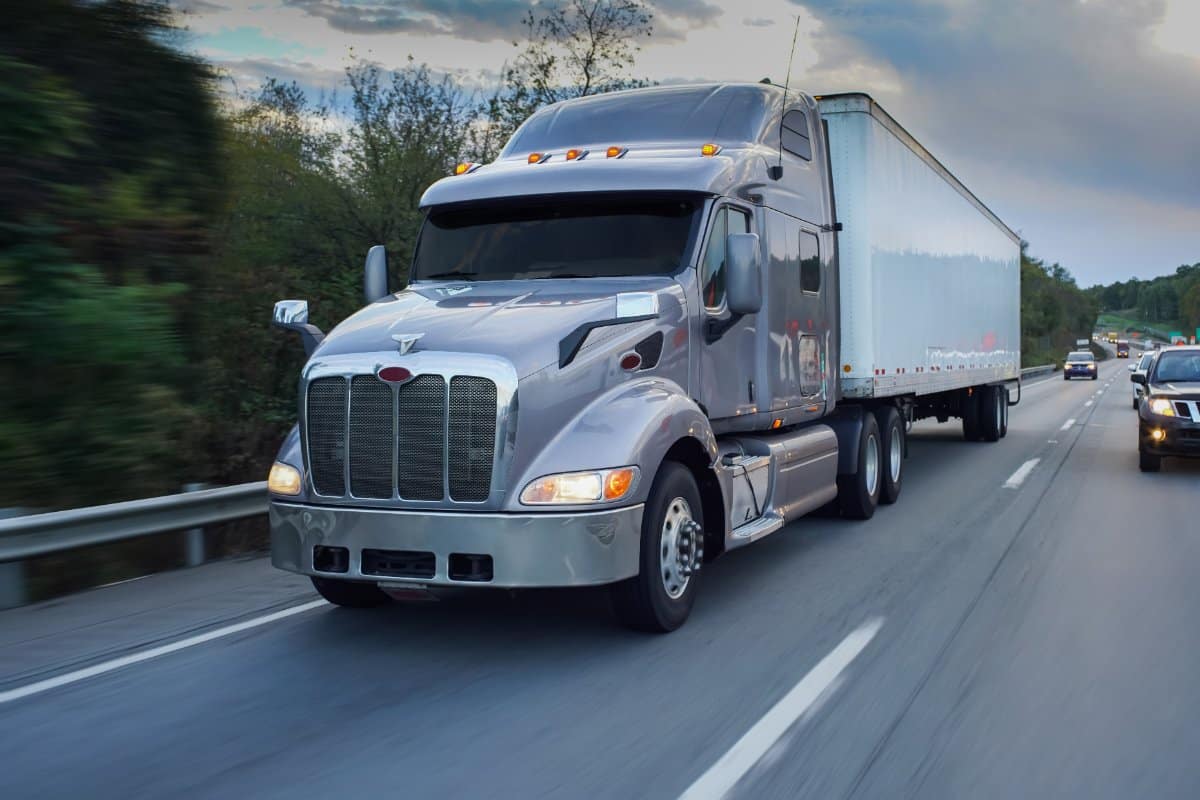 Driving on the interstates and highways is part of daily life for many people in Oklahoma. People use these roadways to travel to surrounding areas, commute to work, and more. However, these busy corridors are also used by truck drivers when trying to get to their destination as quickly as possible. High speeds, high volumes of traffic, and other factors all make these highways some of the most dangerous for motorists to travel.
Below, one of our Oklahoma truck accident lawyers outlines the most dangerous roads in the state and tips to keep you safe.
The deadliest trucking routes in Oklahoma
These major highways in Oklahoma are often cited as among the most dangerous:
- Interstate 40: Interstate 40 (I-40) runs directly east to west across Oklahoma for a total of 331 miles. It enters from Texas and exits into Arkansas. I-40 is one of the busiest roadways in the state, for both long-haul truck drivers and commuters.
- Interstate 35: Interstate 35 (I-35) runs through the heart of Oklahoma, traveling north to south. High volumes of commercial trucks, along with a number of commuters, increase the risk of truck collisions. This is particularly true in areas that are close to downtown Oklahoma City and other major metro areas.
- Interstate 44: I-44 is a vital corridor that connects Tulsa and Oklahoma City. With busy interchanges and large volumes of traffic, this is a road that can be very dangerous for drivers, especially the stretches with an 80-m.p.h. speed limit.
- U.S. Route 75: U.S. Route 75 (US-75) is considered quite dangerous in Oklahoma. This is particularly true for the portion known as the ‘Okmulgee Beeline,’ which connects Tulsa with Okmulgee.
- U.S. Route 69: U.S. Route 69 (US-69) is possibly one of the most dangerous highways in Oklahoma. Compared to other highways in the state, US-69 has been associated with a high number of fatalities.
The above roadways all play a vital role in keeping the economy in Oklahoma moving. However, due to high speed limits, traffic volume, and design, they are also some of the most dangerous roads in the state.
Factors contributing to truck accidents on highways
There are many factors that contribute to serious accidents resulting in severe personal injuries and fatalities. They include:
- Defective road conditions: Insufficient banking on sharp curves, deep potholes, and short merging lanes are all defective road conditions that can cause serious accidents. These conditions can lead to crashes, but they can also pull a driver’s focus from surrounding vehicles and the actions of other drivers, which can also contribute to a collision. Due to the large size of the vehicles they are operating, these defective road conditions are particularly difficult for truckers to navigate.
- Traffic volume: Highways generally tend to have higher traffic volumes than roads in a city. Any time there is a higher volume of traffic, there is an increased risk of accidents. However, low traffic volumes can also contribute to more accidents. According to a study published by the National Library of Medicine, lighter traffic conditions during the COVID-19 pandemic were linked to higher rates of speeding and other risky driving behaviors.
- High speeds: Speeding not only increases the chance of truck accidents, but it also increases the severity of injuries sustained. Speeding increases the force during a crash, and it is often greater than the force that the bones, tissues, and organs in the body can bear. Even when people do not speed, the high speed limits on highways can contribute to truck accidents. Some highways in Oklahoma have speed limits of up to 80 miles per hour, particularly on certain turnpikes.
- Oilfield haulers: There are many ways in which oilfield haulers contribute to accidents on the major highways in Oklahoma. Oilfield drivers may be exempt from certain ‘waiting time’ requirements under federal hours-of-service rules, though they must still comply with driving limits. While oilfield haulers must still comply with the hours outlined in federal law, their waiting times at oil or gas well sites may be exempt. Partially filled oil tanks can also cause a truck to become unstable, resulting in a serious crash such as a rollover accident.
- Poor visibility: Commercial trucks are very large, and they have large blind spots on each side, as well as in the front and back. This can make it difficult for truckers to see other motorists before merging or changing lanes. Additionally, the large size of trucks makes it difficult for other drivers to see around them, preventing them from seeing danger ahead.
Safety tips for traveling around large trucks on highways
There are many factors that contribute to truck accidents on highways. Fortunately, there are also tips you can follow to ensure that you and others on the road are kept safe.
One of the most important safety tips is to be aware of the large blind spots, known as ‘no zones’, around trucks. An easy rule to remember is that if you cannot see the truck driver’s face in their side mirror, they cannot see you either. Passing large trucks must be done quickly but cautiously so you do not remain in a trucker’s blind zone for longer than necessary. Additionally, try to pass trucks on the left side only, as the blind spot is smaller on this side.
While following a truck is generally considered safe, it is critical to maintain a safe stopping distance. In ideal conditions, this is four to five seconds behind a truck and more in inclement weather, such as high winds or heavy rain. This will provide you with plenty of time to stop and prevent underride accidents, which occur when a smaller vehicle slides underneath the trailer of a truck.
One of the most important safety tips when driving around any type of vehicle is to remain patient and to focus on your surroundings. Do not drive while fatigued and refrain from eating, drinking, or doing anything that takes your hands off the wheel or your mind off of your surroundings. Even rowdy passengers and loud music can create dangerous distractions that can result in a crash.
Our truck accident lawyers in Oklahoma can help after an injury
If you have been seriously injured in a truck crash on any of Oklahoma’s roads, you may need legal help. At Biby Law Firm Injury and Accident Lawyers, our Oklahoma truck accident lawyers can provide it, collect evidence that supports your claim, and calculate the full damages you suffered so you can pursue the full compensation available under the law. Call us now or contact us online to schedule a consultation with one of our experienced attorneys and to get the sound advice you need.

Jacob Biby has spent his legal career helping folks just like you get the resources they need after a personal injury, car accident, or oil field injury. Jacob is licensed to practice in all Oklahoma state and federal courts. Learn more about Jacob Biby or contact the firm today.