

How Traffic Camera Footage Can Help Prove Your Car Accident Claim
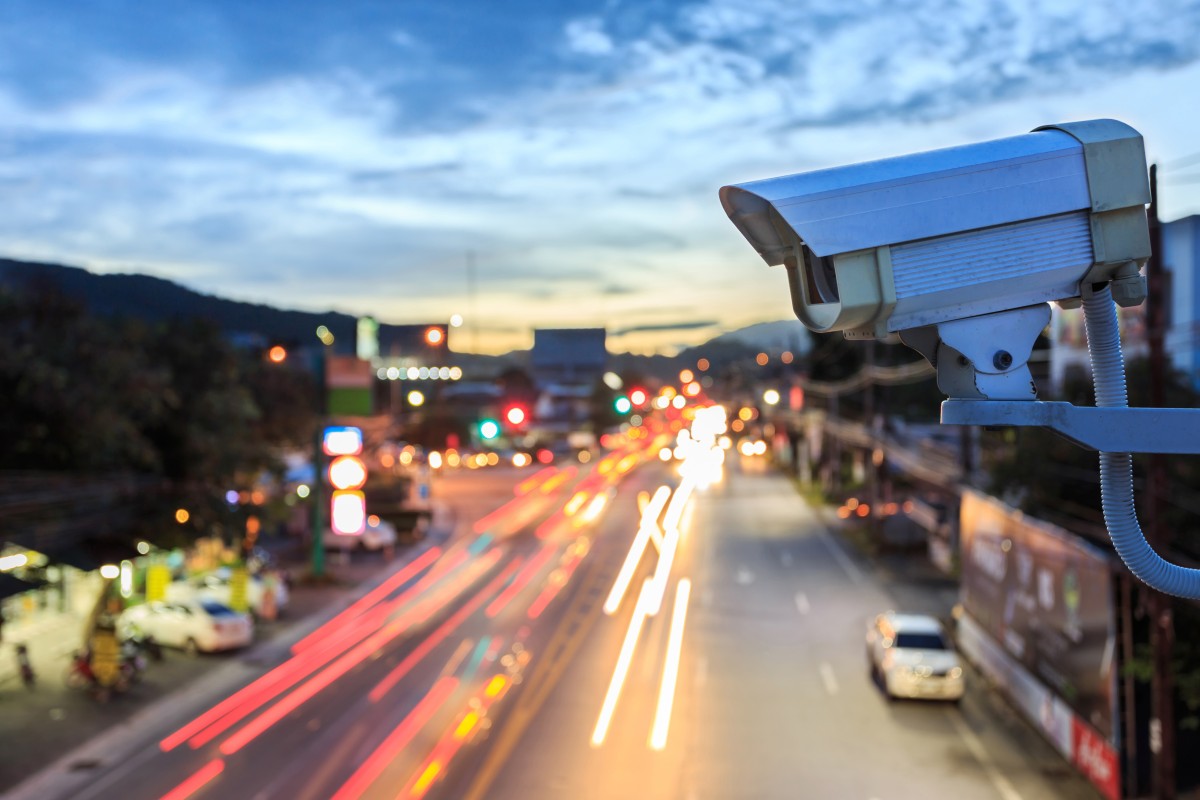 Car accident cases often come down to one driver’s word against the other’s. When there’s no clear physical evidence that points to what happened and who caused the crash, how do you figure out who’s liable and who should be held liable? That’s where traffic camera footage can come into play and help prove what actually happened and who must be held accountable.
Wondering if traffic camera footage could be helpful in your Oklahoma car accident claim? Let’s talk. Call Biby Law Firm Injury and Accident Lawyers today to set up a consultation with our car accident attorneys now.
What counts as traffic camera footage?
This term refers to camera footage secured from fixed cameras near roadways and intersections. This type of footage is often considered more neutral than party-controlled footage, provided it can be properly authenticated and admitted under Oklahoma evidence rules. It’s not controlled by anyone involved in the crash and is typically less vulnerable to party-controlled editing, though it still must be authenticated. It’s just an objective, third-party view of what occurred during a collision.
Where can I find traffic camera footage in the Tulsa area?
There are numerous traffic cams in the Tulsa area, many of which aren’t even visible unless you know what you’re looking for. Some of the sources your car accident lawyer may look into include:
Government-owned traffic cameras
Cities and transportation agencies throughout the Tulsa region use these cameras to monitor traffic flow and congestion. Cameras are often found at major intersections, highway on-ramps, and high-traffic corridors where traffic often backs up. These cameras don’t always record continuously or keep recorded footage, but if they do, they can provide valuable evidence.
Red light and speed cameras
Cameras near intersections may capture drivers who run red lights or speed. These cameras are far less common in Oklahoma than in many other states, and automated traffic enforcement is limited by state law and local ordinances. In many areas, automated speed enforcement is not broadly authorized under Oklahoma law, and red-light cameras – where used – are subject to strict legal constraints. If a red light camera catches your crash on video, it can provide strong evidence of what happened – especially if one driver insists that the light was red and the other claims it was green.
Note that these cameras are used inconsistently across Oklahoma due to local laws, so you should talk to your attorney to find out if your jurisdiction uses these cameras.
Non-traffic cameras
Although traffic cameras are an excellent source of video evidence in car accident claims, other types of video footage can also provide insight into what happened. Dashcam footage from either driver or other vehicles can show what happened leading up to a collision. Local businesses or homes may also have their own cameras for security purposes. In some cases, they provide this footage willingly to help during an investigation. In others, the footage can be obtained via subpoena.
How long is traffic camera footage stored?
Unfortunately, one of the biggest challenges with traffic cam footage is how quickly it can be lost. By the time an accident victim thinks about looking into this type of evidence, the footage may already be overwritten or destroyed. Retention periods vary widely. Government cameras may overwrite footage in a matter of days or weeks, depending on storage limits and each municipality’s policies. Private businesses and homes may follow their own data storage schedule. This means that you really don’t know what footage is or isn’t available until you reach out to the government agency, business, or homeowner in question and ask.
However, even if footage is generally written over quickly, that doesn’t mean you have to obtain it that quickly. Upon finding out that a traffic camera exists, your attorney can send a preservation letter notifying them of their intent to use the footage in an upcoming claim and requesting that the footage be preserved.
How traffic camera footage can prove a car accident claim
There are several ways that traffic cam footage can strengthen a car accident claim, including:
• Establishing fault: Insurance companies aren’t quick to accept fault for an accident, especially in the absence of clear, indisputable proof. The footage secured from a traffic camera can highlight where one party failed to exercise caution, broke the law, or otherwise caused a crash.
• Disproving false statements: In cases where drivers have conflicting statements, traffic cam footage can prove who is lying and who is telling the truth. For example, if a rear driver in a rear-end accident claims the other party cut them off without giving them enough room to stop, video footage may show that the front driver left several car lengths between them and the rear driver. This makes it much harder for the rear driver to keep their story that they had no way to stop.
• Supporting witness testimony: Eyewitness testimony often provides details and context that you can’t get from drivers, but it carries limited weight without other evidence. If camera footage can back up what an eyewitness states, that may strengthen their credibility. If the video footage is clear enough, it may also help identify witnesses or vehicles that would have otherwise been unknown.
• Providing an objective understanding of the accident: Perspectives from drivers and eyewitnesses are useful – but an objective view of how the entire accident unfolded is a piece of evidence that is fair to everyone involved.
Whether your case goes to court or is resolved in negotiations, your car accident attorney may be able to use traffic cam footage to support the compensation you’re asking for. When footage is used in court, it has to meet evidentiary requirements. This typically involves proving that the video is authentic and unedited.
Choosing an attorney who can work with all types of evidence to build the strongest case possible for you can give you a fair shot at compensation.
Start your case with Biby Law Firm Injury and Accident Lawyers today
At Biby Law Firm Injury and Accident Lawyers, we’re committed to helping accident victims fight for justice. Start your claim by calling us today or contacting us online.

Jacob Biby has spent his legal career helping folks just like you get the resources they need after a personal injury, car accident, or oil field injury. He completed his undergraduate degree at Oklahoma State University and earned his Juris Doctorate from the University of Tulsa in 2008. Jacob is licensed to practice in all Oklahoma state and federal courts. Learn more about Jacob Biby.