

Proving Pain, Fatigue, and Cognitive Loss in a Brain Injury Case
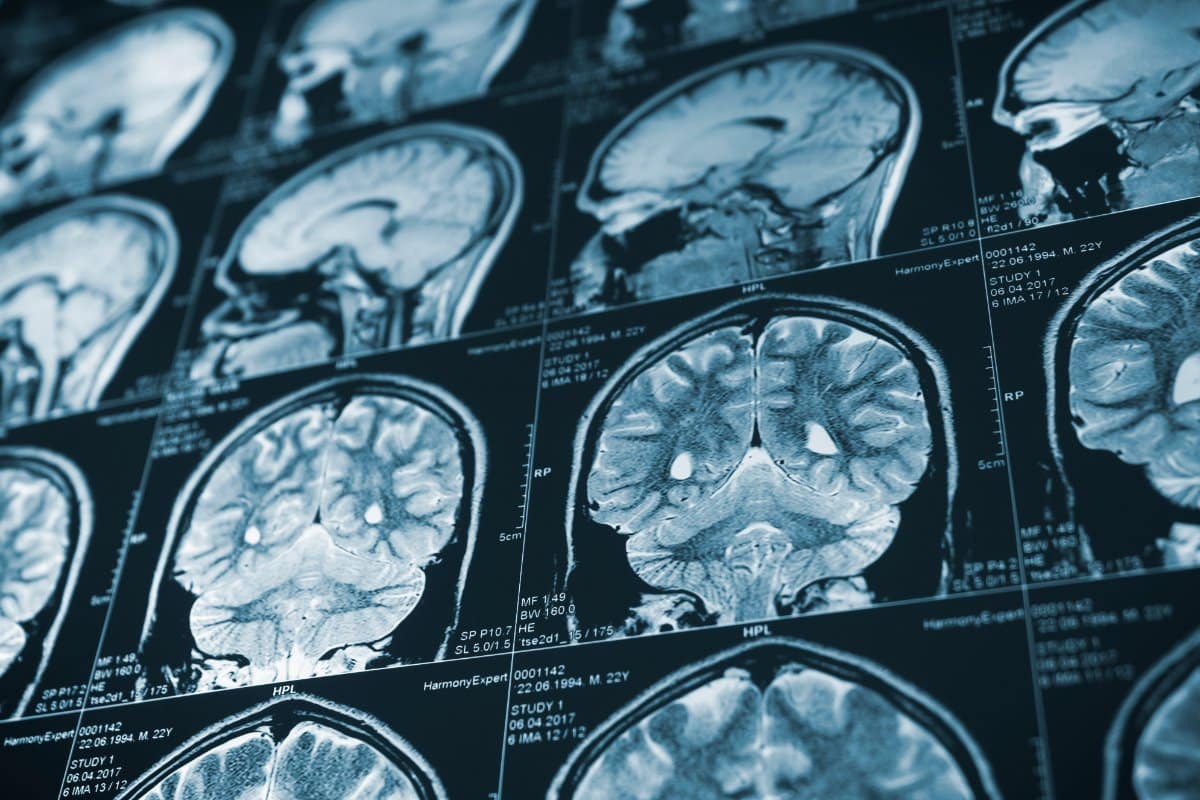 Unlike many other types of injuries, brain injuries don’t always leave visible scars. Many of the most serious consequences of brain injuries, such as chronic pain, overwhelming fatigue, and cognitive loss, are completely invisible to other people. Insurance companies know this, and they take advantage of it when they are deciding how much compensation to offer. With a combination of neuropsychological testing, medical expert testimony, and witness testimony, traumatic brain injury lawyers can help victims prove their losses and fight for compensation.
Take the first step in your personal injury claim now – call Biby Law Firm Injury and Accident Lawyers.
Why is it harder to prove pain, fatigue, and cognitive loss?
Many brain injury symptoms are not always visible on standard imaging and may rely heavily on clinical findings and patient reports. On top of that, these symptoms may not be present all the time. There are many people with TBIs who see symptoms come and go. They may have one great day full of energy and minimal memory loss, followed by a day where they cannot get out of bed due to fatigue.
Insurance adjusters know that these symptoms are often challenging to prove with diagnostic testing, and they use that as an opportunity to claim that:
• Symptoms are unverifiable and subjective
• Imaging looked normal, so the injury must be minor
• Complaints are a result of stress, aging, or pre-existing conditions—not the injury
• Gaps in treatment indicate that the symptoms aren’t serious
This is why it’s important to work with an experienced traumatic brain injury lawyer in Oklahoma. They can anticipate these challenges and plan around them while proving your injuries and the other party’s liability.
How can I document physical pain after a brain injury?
There are several ways you can document your pain after a traumatic brain injury:
• Early and ongoing medical records: Medical records often include doctors’ observations, including obvious signs of pain like dizziness, sensitivity to light, and sensitivity to touch. That, combined with later medical records indicating chronic head and neck pain or progress during physical therapy, can be used to outline the pain you experienced.
• Consistency over time: A significant part of pain documentation is consistency. When multiple medical providers see pain complaints over various appointments, it gets a lot harder for insurers to pretend that victims are making up their physical pain.
• Limitations caused by pain: Pain can cause serious limitations for people, leaving them unable to work, care for their children, or even take care of themselves. Documenting these limitations can support your reports of pain.
Proving fatigue and reduced stamina
Fatigue is also hard to track, since it is largely patient-reported. Additionally, many insurers assume that fatigue is just ordinary tiredness at a heightened level. The fact is that fatigue is on a completely different level. It’s mental and physical exhaustion after a short period of concentration or physical movement. It can’t always be cured with sleep. There are several things you can do to document your fatigue:
• Get clinical proof of your fatigue: This may be documented in primary care notes, neurology notes, and physical therapy. Fatigue can be bad enough that care providers see it in patients’ slower movement, inability to concentrate, and irritability.
• Document the functional impact of fatigue: Fatigue creates serious functional limitations. Fatigued individuals may have to work shorter hours or give up working entirely. They may also struggle to manage their household or care for children. Documenting these issues is critical.
What about showing cognitive loss and mental changes?
Neuropsychological testing can help prove cognitive loss. Tests can measure memory, learning ability, attention, concentration, processing speed, and executive function. Testing can provide objective support for self-reported symptoms and help medical experts link those symptoms to a traumatic brain injury.
After you go through neuropsychological testing, the results will be interpreted by a neuropsychologist. The information they get from your test results can be used to explain the severity of your impairment, if the deficits you’re experiencing are consistent with trauma, and how your cognitive losses may affect your employment and independence.
Another benefit of neuropsychological testing is that neuropsychologists are very familiar with accusations of exaggerated injuries and malingering. They often know how to push back against these claims to support their patients.
The benefits of using medical expert testimony
Medical expert testimony can help you and your brain injury lawyer establish causation and permanency of your traumatic brain injury. Your treating physicians may provide valuable insight into how your injuries initially presented and how they have changed over time.
In addition to your treating physicians, your lawyer may bring in independent medical experts who can go over your medical records and provide third-party insight. Their analysis may be able to link symptoms to your injury, counteract defense claims about what else may have caused your traumatic brain injury, and assess your long-term prognosis and the potential for future care needs.
How do attorneys use witness statements?
Your attorney may bring in eyewitnesses who know you well enough to comment on how your injury has affected your life and compare and contrast your pre-incident and post-incident condition and abilities. Family members and friends can often notice changes that you may not have noticed yourself. They may comment on personality changes, memory problems, and different ways you may have lost independence.
Professional contacts, such as coworkers and supervisors, may also be called on to comment on declines in focus, increased mistakes, missed deadlines, or struggles to complete tasks you once flew through.
Proving a traumatic brain injury may be more difficult than proving a more obvious physical injury, but with the right legal team, it is possible.
Explore your legal options with Biby Law Firm Injury and Accident Lawyers
Our team of personal injury lawyers is here to help you fight for fair and full compensation after a traumatic brain injury. Let’s talk about your next steps. Call us today or connect with us online now.

Jacob Biby has spent his legal career helping folks just like you get the resources they need after a personal injury, car accident, or oil field injury. Jacob is licensed to practice in all Oklahoma state and federal courts. Learn more about Jacob Biby or contact the firm today.