

What Parents Should Know About Child Car Seat Injuries After a Crash
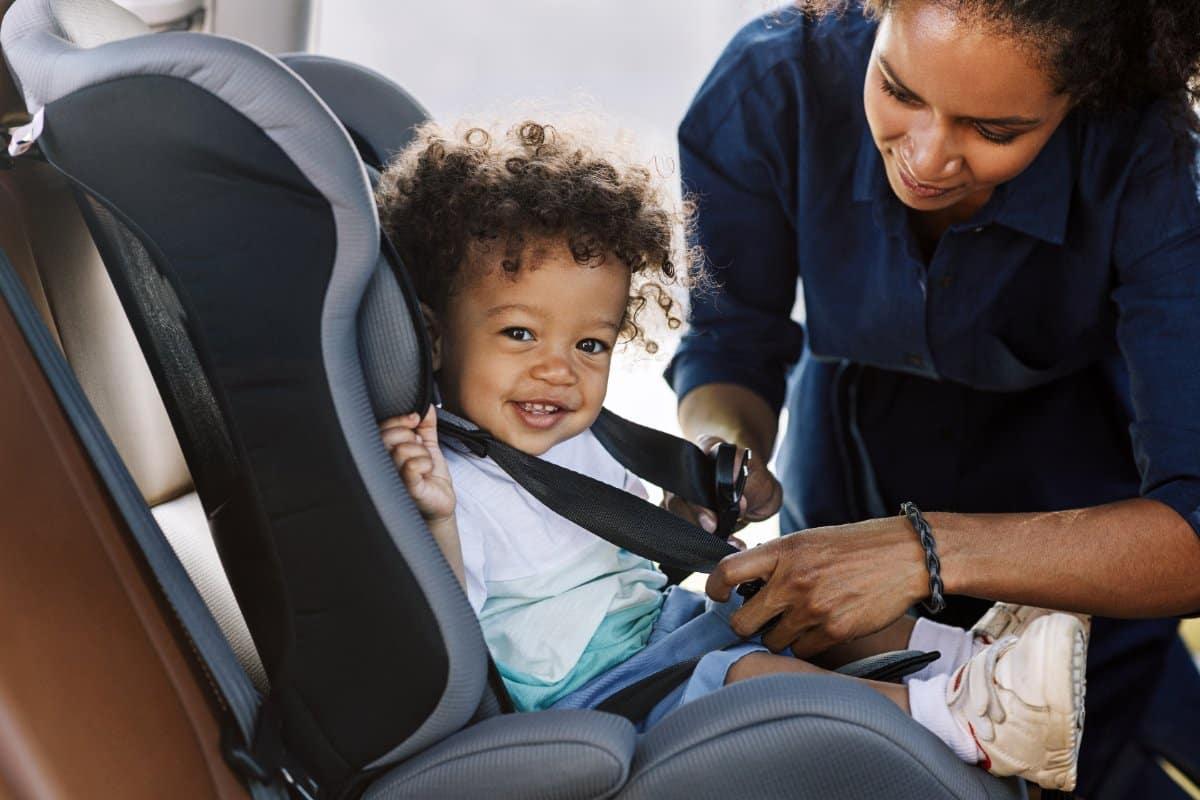 Car accidents are one of the most common causes of injuries among children. One grim statistic shows that globally, road traffic injuries are the leading cause of death among 15-19 year olds and the second leading cause among 5-14 year olds. Using a car seat properly can go a long way in keeping children safe, but even with perfect car seat usage, injuries can still occur. On top of that, in some cases, the car seat itself can be responsible for injuries, and that puts parents in a position where they have to figure out who caused their child’s injuries and how to seek justice.
Our team can help. At Biby Law Firm Injury and Accident Lawyers, we are passionate about advocating for victims who have been seriously injured by negligence. Call us to schedule a consultation at one of our Tulsa-area offices.
Common types of child injuries after a car accident
Children are resilient, but their growing bodies put them at risk of certain types of injuries in car accidents. Commonly reported injuries include:
• Head and brain injuries: Even when a car seat functions as intended, a car crash in Tulsa can cause concussions or traumatic brain injuries. Young children can’t always identify or verbalize where pain and discomfort are coming from, which can make it difficult to identify TBIs. These injuries may manifest as lethargy, excessive sleepiness, vomiting, irritability, or difficulty communicating.
• Neck and spinal injuries: Children are at heightened risk of these injuries because of their body structure. A child’s head makes up a much larger percentage of their overall size than an adult’s head, and the force of an accident can put enormous strain on the neck and spine. Whiplash, vertical spine trauma, and damage to the ligaments can cause serious injuries.
• Internal injuries: Car seat harnesses can distribute crash force more evenly across a child’s body, but even still, internal injuries can happen. Abdominal and organ injuries can be fatal if not treated.
• Soft tissue injuries: Bruising, tears, and sprains can all leave children in pain and with limited mobility.
Why proper car seat use doesn’t always prevent injury
Proper car seat usage is crucial for child safety. Per the CDC, car seat use reduces a child’s risk of injury in a crash by 71% to 82% per child. Having said that, car seats are not magic. Correct use dramatically reduces the risk of severe injury, but correct use is not a given. A significant portion of car seats are installed improperly, reducing their efficacy.
But even the most precisely installed car seat cannot prevent all injuries. High-speed collisions, side-impact crashes, and rollovers can all overwhelm safety systems and put children in danger. Crash dynamics play a big part in the outcome of a collision and how a car seat does (or doesn’t) protect a child.
Preserving the car seat after a crash
After a crash, the car seat can become an important piece of evidence. Damage isn’t always visible, but it’s important not to assume that car seats are usable after a collision until you’ve consulted NHTSA standards or manufacturer guidelines. Cracked shells and compromised harness systems may not be visible to a layperson, but they put your child at grave risk of serious injury if you continue using the seat.
The seat may be investigated at a later point in time. Insurance companies and manufacturers may ask to inspect the car seat for signs of damage or malfunction, particularly if you are requesting a replacement through insurance. Keeping the car seat intact and in an area where it isn’t exposed to extreme temperatures is in your child’s best interests.
When defective or recalled car seats may be involved
When the car seat itself is fully or partially responsible for your child’s injuries, parents often feel guilty. They wonder if they missed a recall notice or chose the wrong seat. But the fact is that manufacturers are obligated to design and create safe merchandise – and when products fail, they may be held liable. Defects in car seats may include:
• Harness straps that loosen or break in a crash
• Buckles that release during a collision
• Structural cracking
• Inadequate warnings or installation instructions
• Installation instructions that don’t account for the different needs of children at various ages and sizes
You may not even know that your car seat failed until you talk to a car accident attorney. Car seats are highly regulated in the United States, and when a car seat malfunctions, manufacturers must be held accountable.
Recalls are somewhat common among car seat companies, but unfortunately, the need for a recall isn’t always apparent until a car seat has already caused an injury. If your seat’s model was the cause of previous accidents, you may have a claim against the manufacturer. You may also have a claim if the product was recalled, but you were never notified, or the company took minimal steps to notify consumers.
Oklahoma product liability laws and child car seats
Oklahoma is a strict product liability state, which means that consumers do not need to prove that the manufacturer was negligent in the creation of an unsafe product. This was established in Kirkland v. General Motors Corp. Manufacturers, distributors, and retailers can be held liable for unsafe products involved in accidents.
There are three ways unsafe car seats can result in accidents:
• Design defects
• Manufacturing defects
• Failure to warn
Whether your child’s injuries are the result of the accident itself, the car seat, or a combination of both, it’s important to talk to an attorney. If your car seat failed when you needed it most, a personal injury lawyer can help you investigate further to ensure all culpable parties are held to account.
Let’s discuss your next steps–we’re here to help
The team at Biby Law Firm Injury and Accident Lawyers can help you seek compensation if your child was injured in a car accident. To claim your free consultation, contact us online or call today.
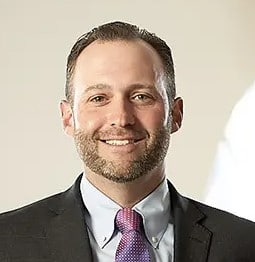
Jacob Biby has spent his legal career helping folks just like you get the resources they need after a personal injury, car accident, or oil field injury. Jacob is licensed to practice in all Oklahoma state and federal courts. Learn more about Jacob Biby or contact the firm today.